What to Do If You Think Your Loved One Is Lonely in Their Care Home
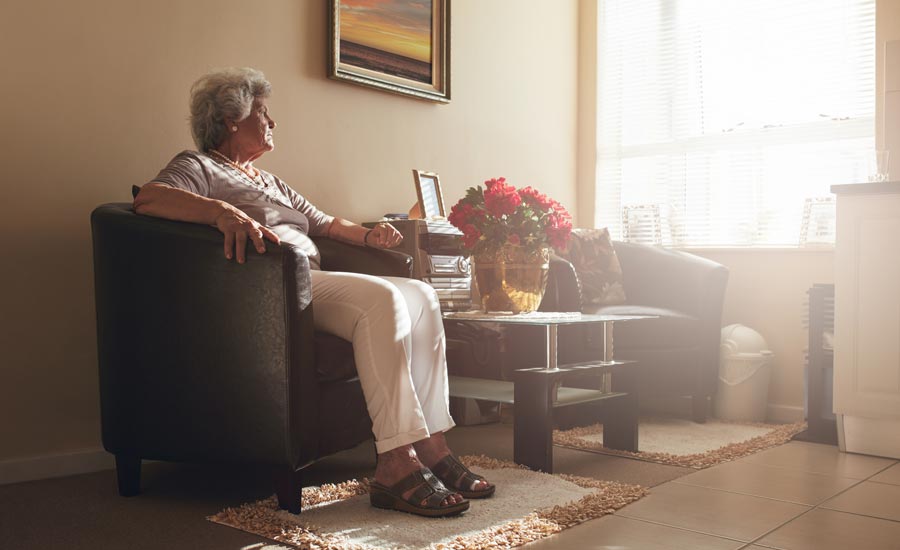
Worrying about a loved one in a care home is something most families experience at some point.
But worrying about whether they are lonely is a particular kind of concern, because loneliness isn’t always easy to spot, making it much harder to raise a complaint.
This guide is for families who have noticed something feels off with their loved one living in a care home and aren’t sure what to do next.
What are the Signs that a Care Home Resident is Lonely?
Some indications that a care home resident is lonely include becoming quieter or more withdrawn than usual, losing interest in activities they previously enjoyed, increased anxiety or low mood, frequently asking staff or visitors to stay longer, unexplained physical complaints and talking less about other residents or friendships within the home. Loneliness in older adults can also show up as changes in appetite, sleep or general motivation.
Signs a Care Home Resident May Be Lonely
When it comes to loneliness in care homes, knowing what to look for makes it easier to act early. The following signs don’t automatically confirm your loved one is suffering from loneliness, but they are worth paying attention to:
Changes in mood and behaviour
- Noticeably quieter or more withdrawn during visits
- Less interest in conversation or current events they would previously have engaged with
- Increased irritability or low mood without an obvious cause
- Seeming flat or disengaged in a way that feels different from tiredness
Social withdrawal
- No longer mentioning other residents or friendships within the home
- Declining activities they used to enjoy
- Asking visitors or staff to stay longer – or becoming distressed when they leave
- Spending more time alone in their room
Physical signs
Research has consistently linked loneliness in older adults to physical symptoms, including disrupted sleep, reduced appetite and an increase in unexplained aches and pains. So, if your loved one has developed physical complaints that don’t have a clear medical cause, loneliness could be the reason.
Raising Loneliness Concerns with Care Teams
Due to the nature of loneliness, many families feel uncertain about raising a concern, worried it might come across as a complaint or reflect badly on the home.
But a good care home will not see it that way. Loneliness is a recognised health issue in older adults, so homes that take resident well-being seriously will want to know if a family has concerns.
If you do want to raise a concern, rather than saying your loved one seems lonely, share what you have noticed recently. Tell the care staff your loved one has stopped mentioning other residents, that they seem flat in a way that feels new or that they’ve mentioned feeling like nobody really knows them.
Specific observations give the home something concrete to work with.
What Families Can Do To Help
There are some practical things families can do that research has shown make a real difference to loneliness in care home residents:
Visit regularly and keep visits varied
Consistent family contact is one of the strongest protective factors against loneliness in older adults. Short, frequent care home visits tend to be more beneficial than longer, infrequent ones. Varying what you do during visits, looking at old photographs, playing a familiar card game or sitting outside in the fresh air together, gives your loved one something to look forward to and talk about afterwards.
Stay connected between visits
Regular phone or video calls between visits help residents feel less isolated, particularly those whose family live further away. If your loved one struggles with technology, asking the home to support a regular scheduled call can make this easier to maintain.
Share information about who they are
Families being involved in care and sharing details about their loved one’s career, hobbies, significant friendships, faith or the kind of company they have always preferred gives staff the context to make a personalised connection possible.
Acting Early Makes a Real Difference
Families who spot the signs of loneliness early and act on them give their loved one the best chance of getting the support they need before loneliness becomes entrenched and causes more harmful symptoms.
Talking to a care home straight away is one of the most important things a family can do for a resident’s long-term well-being.
Ready to explore...