How Care Home Design Can Reduce the Risk of Falls
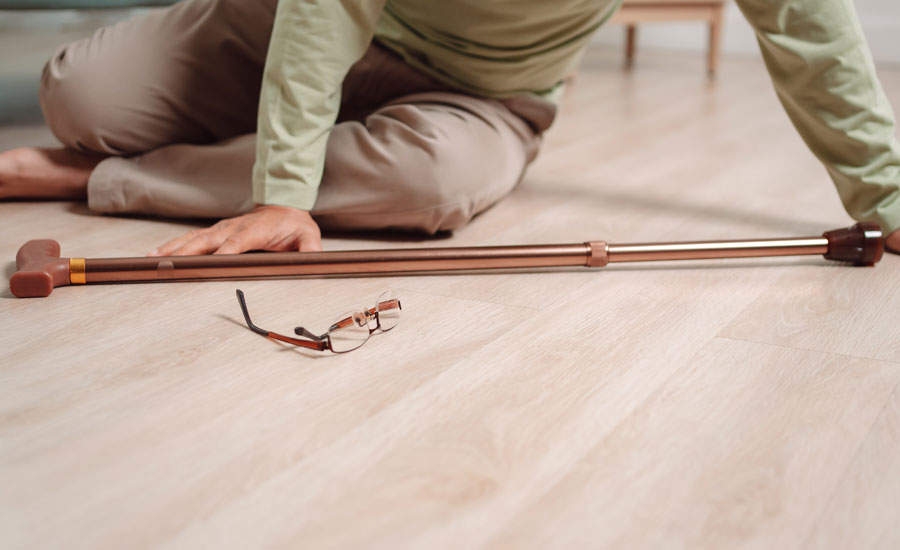
When families visit a care home for the first time, they often focus on the warmth of the staff, the quality of the food and the activities and amenities on offer.
These things matter enormously, but it’s worth paying attention to the building itself. The way a care home is designed, laid out and maintained has a direct impact on how safe residents are on their feet every day.
This article explores the connection between care home facilities and falls, so you know what to look for to keep your loved one safe and well.
How Do Care Homes Reduce Falls?
Care homes reduce falls through a combination of thoughtful building layout, personalised risk assessment, regular medication reviews, structured exercise programmes and a whole-team approach to safety.
The physical environment, from lighting and flooring to bathroom design and handrail placement, plays a significant role, but the best consequences come when good design is supported by a culture where fall prevention is everyone’s responsibility.
It Starts at the Door
Research shows that residents are particularly at risk of falling in the first few months after moving into a care home, likely due to the change of environment and any period of ill health prior to admission. This is why good care homes do not wait for a fall to happen before taking action.
A thorough falls risk assessment should be completed within the first 24 hours of a new resident arriving, alongside a proper orientation to their new surroundings, including which rooms are where, where the bathroom is at night and where they can find help.
That process of familiarisation matters more than it might seem because uncertainty and disorientation are genuine fall risks, meaning a resident who feels confident in their environment is a safer, healthier resident.
Light, Colour and the Details That Make a Difference
Visual impairment is a recognised risk factor for falls, with decreased contrast sensitivity making it harder to see the edges of steps, altering depth perception and causing visual field disturbances. Good design accounts for this directly.
The care home design features most likely to reduce falls are often the simplest:
- Lighting – well-lit corridors, automatic night lights in bedrooms and bathrooms and lighting that reduces harsh shadows all make it easier for residents to navigate safely, particularly those with visual impairment
- Contrast – using contrasting colours between floors and walls and around the edges of steps, helps residents with reduced depth perception judge distances more accurately
- Flooring – even, non-slip flooring throughout, free from raised edges or worn patches that could catch a foot
- Handrails – positioned at a usable height in corridors, bathrooms and on any stairs and checked regularly to ensure they are secure
- Clutter – communal areas and corridors kept clear of unnecessary furniture, loose cables or obstacles that increase trip risk
The Bathroom Problem
The bathroom is statistically the highest risk room in a care home.
Getting on and off the toilet, stepping in and out of a shower, bending to manage clothing, are all moments of instability and they often happen when a resident is alone. Grab rails positioned at the right height, wet room style showers that eliminate the need to step over a barrier, raised toilet seats and non-slip matting are are basic safety infrastructure that every care homes need to add.
Not only that, call systems that allow a resident to summon help quickly, particularly at night when the risk of falls is higher, are equally important.
A resident who needs the bathroom at 2am and hesitates to call for help is in a much more vulnerable position than one who feels confident doing so.
Less Obvious Factors in Fall Prevention
Not everything that reduces falls is about the physical building. In fact, evidence from a large review suggests that increasing dairy food servings through dietitian-assisted menu planning may reduce the risk of falls and fractures, likely through improvements in muscle strength and bone density. Dehydration is also a well-established contributor to dizziness and unsteadiness, which is why care homes that keep residents well hydrated throughout the day are doing something highly effective in keeping them safe and healthy.
Staying Safe, Staying Independent
Homes don’t want to create a sterile, risk-free environment where residents are wrapped in cotton wool.
Spaces where residents feel confident, capable and free to move is the ultimate goal.
When the environment works well, residents need less assistance and can maintain their independence for longer while experiencing fewer of the injuries that can so quickly and significantly change the course of their later life.
Ready to explore...