Smart Monitoring for Dementia Residents in Care Homes
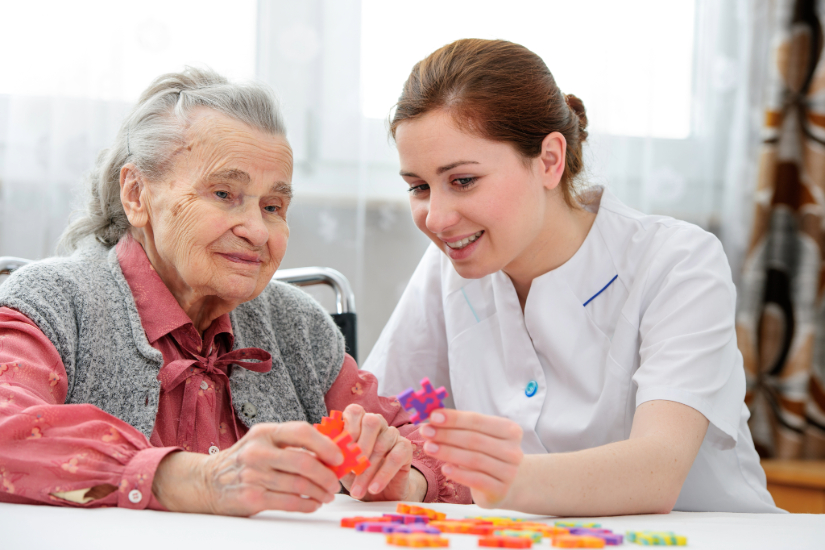
Smart monitoring adds another layer of support for residents with dementia. Sensors, alerts and linked care systems can help carers see when a resident may be at risk, unsettled or out of their usual routine, which can be distressing for the individual.
Keep reading to see how technology in dementia care homes can benefit residents with dementia, their families and the staff who care for them.
What are the Benefits of Smart Monitoring for Dementia Residents?
Systems such as door and exit sensors, bed and chair sensors, location tags and room motion monitors alert staff quickly if a resident starts to wander, tries to stand without support or moves around during the night, which helps prevent falls and unsafe exits. When this information links into digital care plans, teams can see changes in sleep or activity levels and pick up issues like discomfort, infection or rising distress earlier, so care can be adjusted and families involved sooner.
Reducing Wandering Risks Without Heavy Restrictions
Many people with dementia feel the need to walk because it can ease anxiety or help them feel settled, but it becomes risky in care homes if they reach an exit or stairwell without support.
Smart monitoring for dementia care homes helps staff manage this calmly and in a better time frame. How they work is that door sensors fitted to key exits send an alert to handheld devices when they are opened, so a carer can quickly meet the resident, talk to them and walk with them safely.
Some homes might add wrist tags that link to discreet beacons near doors or boundaries. When a resident approaches those points, staff get a prompt so they can respond before the person moves too far. At night, bed sensors can pair with exit monitors to show when a resident gets up and heads toward a corridor.
These tools provide staff with awareness without completely removing residents’ independence. Residents can still walk around when they want, but they’re not left alone in unsafe spaces.
Supporting Night-Time Safety and Sleep
If your loved one has dementia, you know that night can be unsettling for them.
Some care home residents with dementia will wake up disoriented, move between rooms or try to find a familiar place, which can sometimes lead them into dangerous situations if not monitored regularly. Care staff do often walk the corridors to keep everyone safe, but that can disturb residents who are resting.
Smart care home monitoring gives a more precise picture of what happens overnight. As mentioned earlier, bed and movement sensors can show when a resident gets up, how long they’re awake and whether they return to bed. If movement continues, staff receive a quiet alert on their device and can step in before a fall or confusion escalates.
Reassurance and Involvement for Families
Families will always want to know that their relative is safe and supported in a care home, especially when memory loss makes communication difficult. Visiting helps, but the intervals between visits sometimes leave families anxious about how things are day to day.
Luckily, many systems link to digital care platforms that record key details such as activity levels, rest patterns and staff interactions, providing families with more insight into their loved one’s care. A few systems even allow staff to share brief notes or photos that show positive moments, like a walk in the garden or joining an activity.
Don’t worry, it’s not about constant reporting, rather, it gives families a realistic view of daily life, so they know when things are going well and when extra contact might help.
For relatives, that clarity builds confidence and trust as they feel included rather than distant. And for staff, it means fewer worried calls and a stronger sense of partnership with families, all based on the resident’s well-being, which matters most.
Technology That Supports Dementia Care
So, as you can see, technology is quickly becoming an essential part of dementia care.
It gives staff better awareness of what residents need, especially when changes are gradual or happen at quiet times, preventing risks like wandering or night-time falls, but it also supports calmer routines and more personalised care.
It’s worth noting that smart monitoring works best when it stays in the background; in other words, it should guide and support care, not replace it.
Ready to explore...